Peptide Pureness Analysis Service
These are valuable in the ideal setting, but they must be interpreted as method-specific proof as opposed to an universal substitute for HPLC and MS. Yet peptide pureness is probably the solitary most important high quality metric for any kind of research peptide. It straight impacts the integrity and reproducibility of speculative outcomes. A peptide noted at 75% purity and one at 99% purity aren't just various qualities-- they can produce meaningfully various outcomes in the same assay.- Researchers depend upon exact, confirmed compounds to guarantee their findings are both valid and consistent.Paperwork review asks whether the report is batch-specific, deducible, and detailed sufficient to be examined.In the common peptide COA context, peak pureness normally describes the portion of complete chromatogram location stood for by the main peptide top.Residual-solvent or water-content examinations can matter in manufacturing or security contexts.
What The Pollutants In Fact Are
We can offer expert peptide pureness decision services utilizing analytical reversed-phase HPLC paired with mass spectrometry. Each peptide is rigorously kept an eye on throughout the logical cycle according to strict analytical quality assurance and biosynthetic quality assurance standards. HPLC is excellent at answering the question "how pure is this sample by chromatographic area percent? " It does not, by itself, prove that the major peak is the desired peptide.
In easy terms, a peptide provided as 95% pure is composed primarily of the target peptide (95%), with the staying ~ 5% composed of pollutants. These impurities can consist of points like shortened or trimmed series, deletion versions, oxidized deposits, or various other minor side-products from the synthesis process. Peptides are commonly used in the clinical looks, cosmetics, and biomedical fields due to their special biological task and broad application possibility. However, the quality of peptide products directly influences their effectiveness and security, making accurate quality testing solutions critical.Crude, Desalted, And High-purity: Recognizing Peptide Qualities
Choosing the ideal external research laboratory for peptide screening includes evaluating numerous aspects. A trusted lab needs to have verifiable experience in peptide chemistry evaluation-- as an example, PhD-level chemists or biochemists on team who recognize peptides' synthesis and deterioration paths. Accreditation by appropriate bodies (such as ISO/IEC or certification for GLP/GMP compliance) is a solid indication of high quality.What Hplc Can Not Show Alone
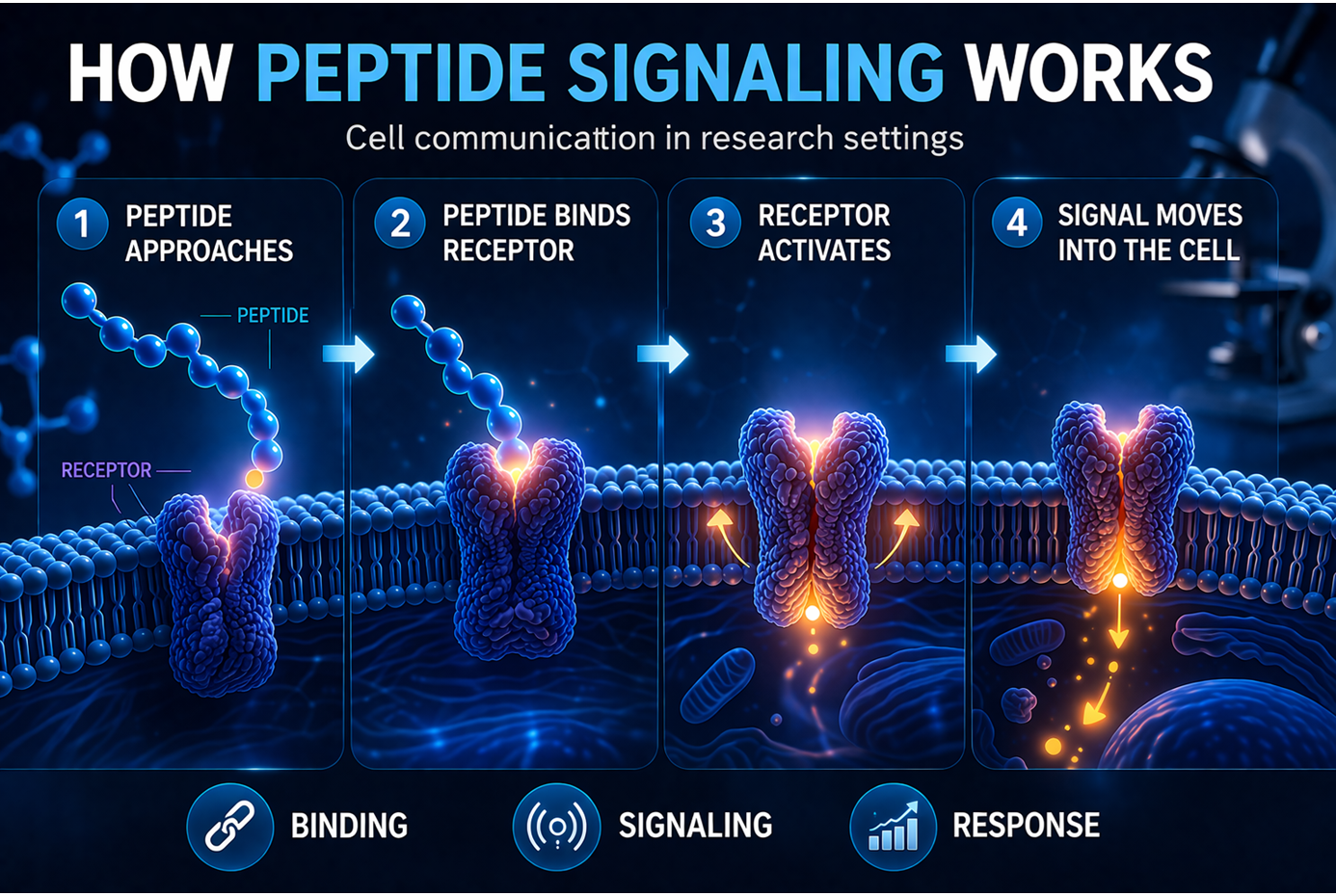
Precise decision of the masterpiece with capillary isoelectric focusing (cIEF) helps in peptide characterization and is crucial for applications where peptide cost influences function and security. We help identify chromatographic purity from real peptide quantity so customers can prepare options and contrast whole lots with greater self-confidence. We select methods according to peptide length, hydrophobicity, charge profile, and alteration standing as opposed to forcing every example right into one layout.
As the percentage of natural solvent gradually boosts throughout the run, molecules are launched from the column in order of their hydrophobicity-- the a lot more hydrophobic a peptide, the longer it requires to elute (clean off). Considering that contaminations usually differ from the target peptide by a minimum of one amino acid, they have somewhat various hydrophobicities and appear as separate heights on the chromatogram. The bottom line is not to perplex purity (HPLC percent of the primary peptide vs pollutants) with overall material. For experimental planning (like computing molar focus), both pureness and web material serve numbers, however purity is what reflects the chemical homogeneity of the peptide example.
If the COA lists "complete impurities", that complements the purity figure (e.g., 98% pureness indicates 2% complete contaminations). Several COAs additionally specify known or "specified pollutants" versus unspecified ones, each Go to the website with their private percents if above a certain limit. This level of information aids scientists understand if any type of minor peptide byproducts are present. If you see several big heights of comparable elevation, you're checking out either a low-purity sample or a mix. If the main peak has a noticeable "shoulder"-- a bump on one side-- that typically shows a closely related impurity (like a removal peptide) that the column could not fully resolve. The peptide is passed through a straightforward filtration step (usually gel filtration or a fast reversed-phase cleaning) to eliminate salts, small-molecule by-products, and scavengers from the bosom action. Theoretically, peptide pureness is quantified by the chromatogram generated by reversed stage HPLC, and furthermore, we can acquire the number and loved one quantity of possible byproducts by determining the peak location. A top quality chromatogram has a Get more information single, in proportion major peak with a flat standard on either side. " Tailing"-- where the top trails off gradually on one side-- can show column problems, example overloading, or additional interactions in between the peptide and the fixed stage. In this configuration, the stationary stage is hydrophobic (water-repelling), usually C18-bonded silica. The mobile stage is a gradient of water and an organic solvent like acetonitrile, frequently with a small amount of trifluoroacetic acid (TFA) to sharpen the tops.